Gear insights, no fluff
Everything we've published — in-depth spec analysis, construction guides, and gear breakdowns written by skiers who care.
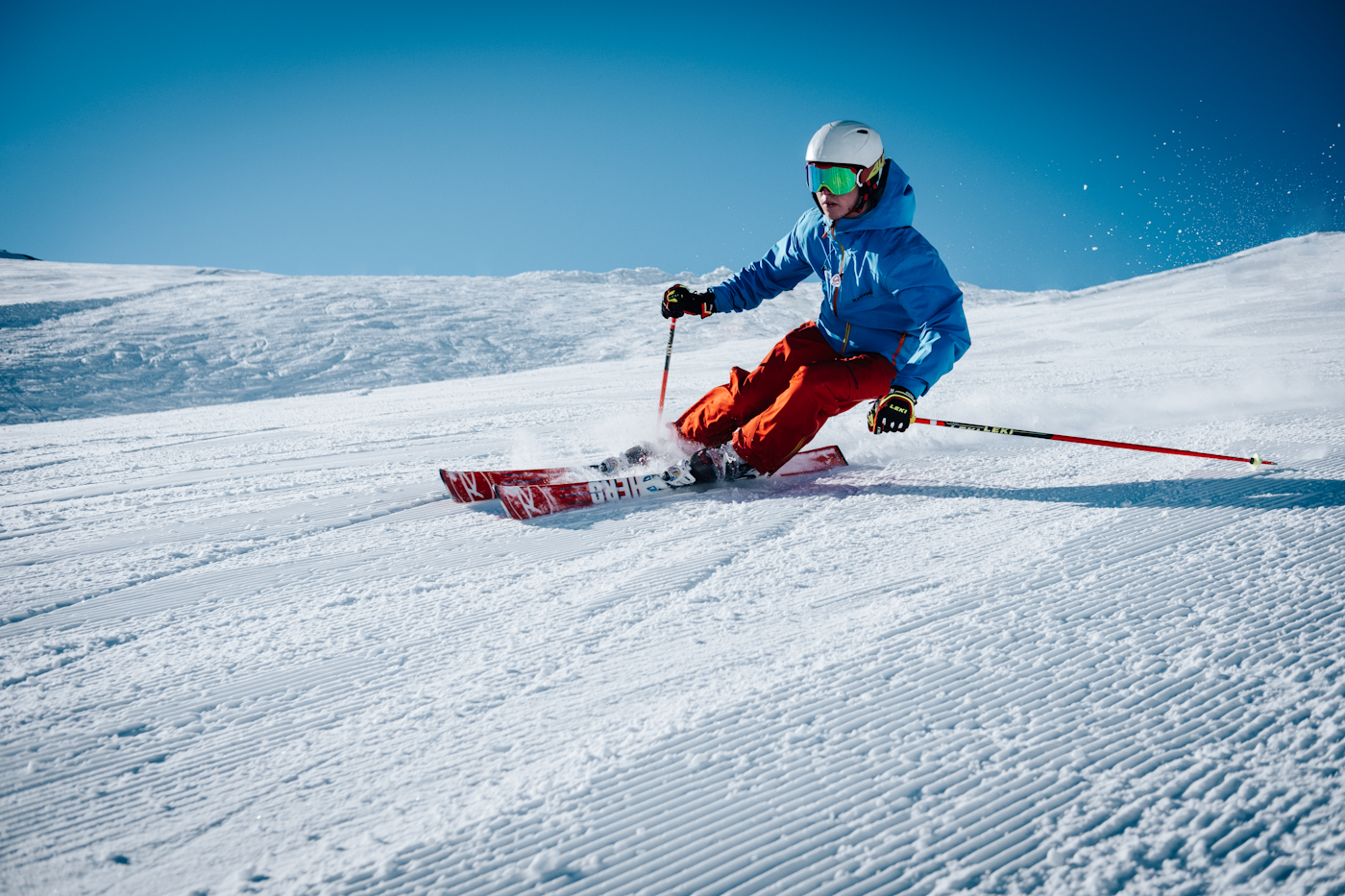
All-Mountain vs Powder Skis: Which Should You Buy?
All-mountain or dedicated powder? The waist width, rocker profile, and quiver logic that actually determines the right choice for your skiing.

Ski Rental vs Buying: When Does It Actually Make Financial Sense?
The break-even math on renting vs buying ski gear — the real numbers, hidden costs, and the honest order of purchase priority.
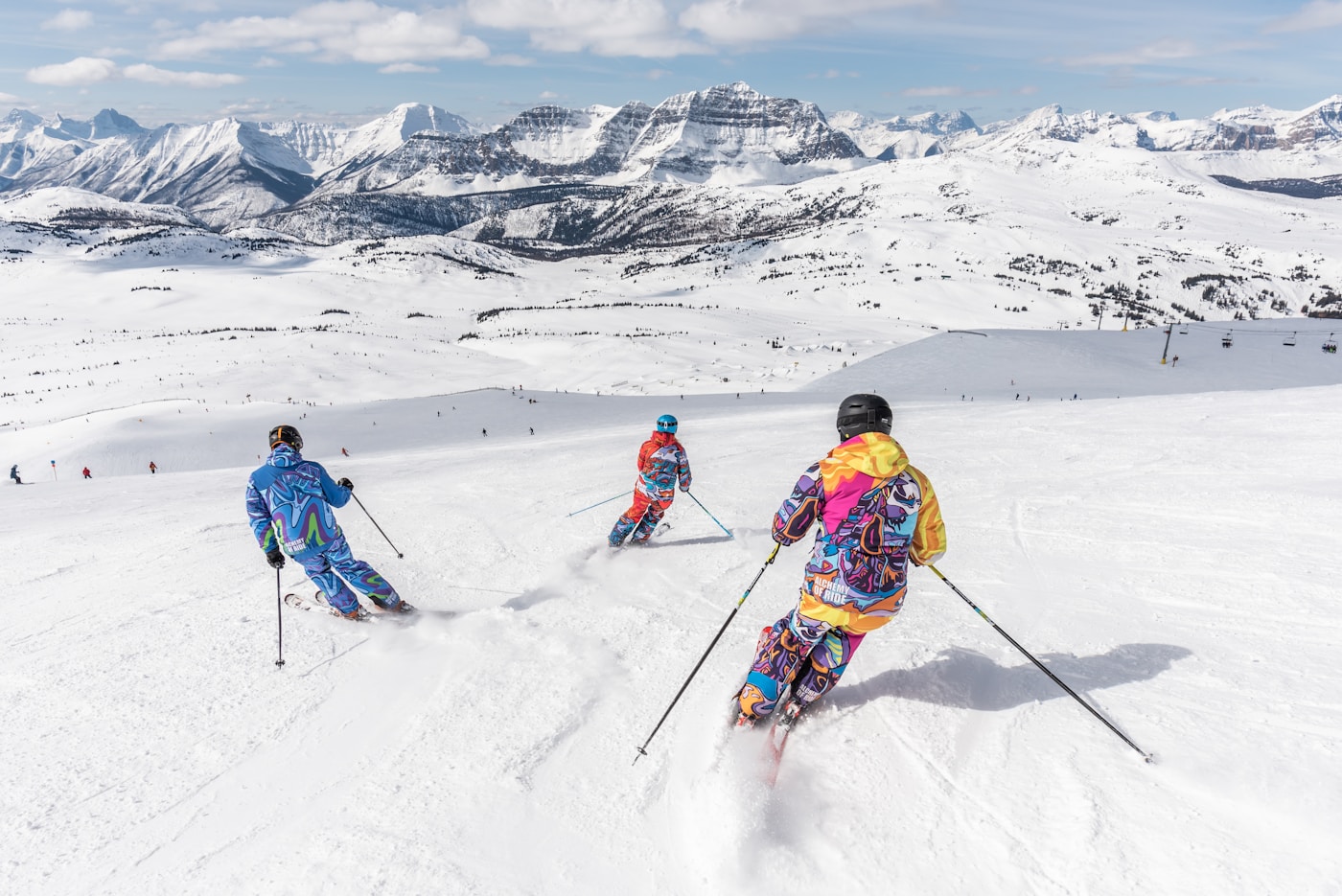
Ski Goggles Buyer's Guide: Lens Technology, VLT, and Fit
VLT explained, lens tints decoded, anti-fog technology that actually works, and what OTG means for glasses-wearers.
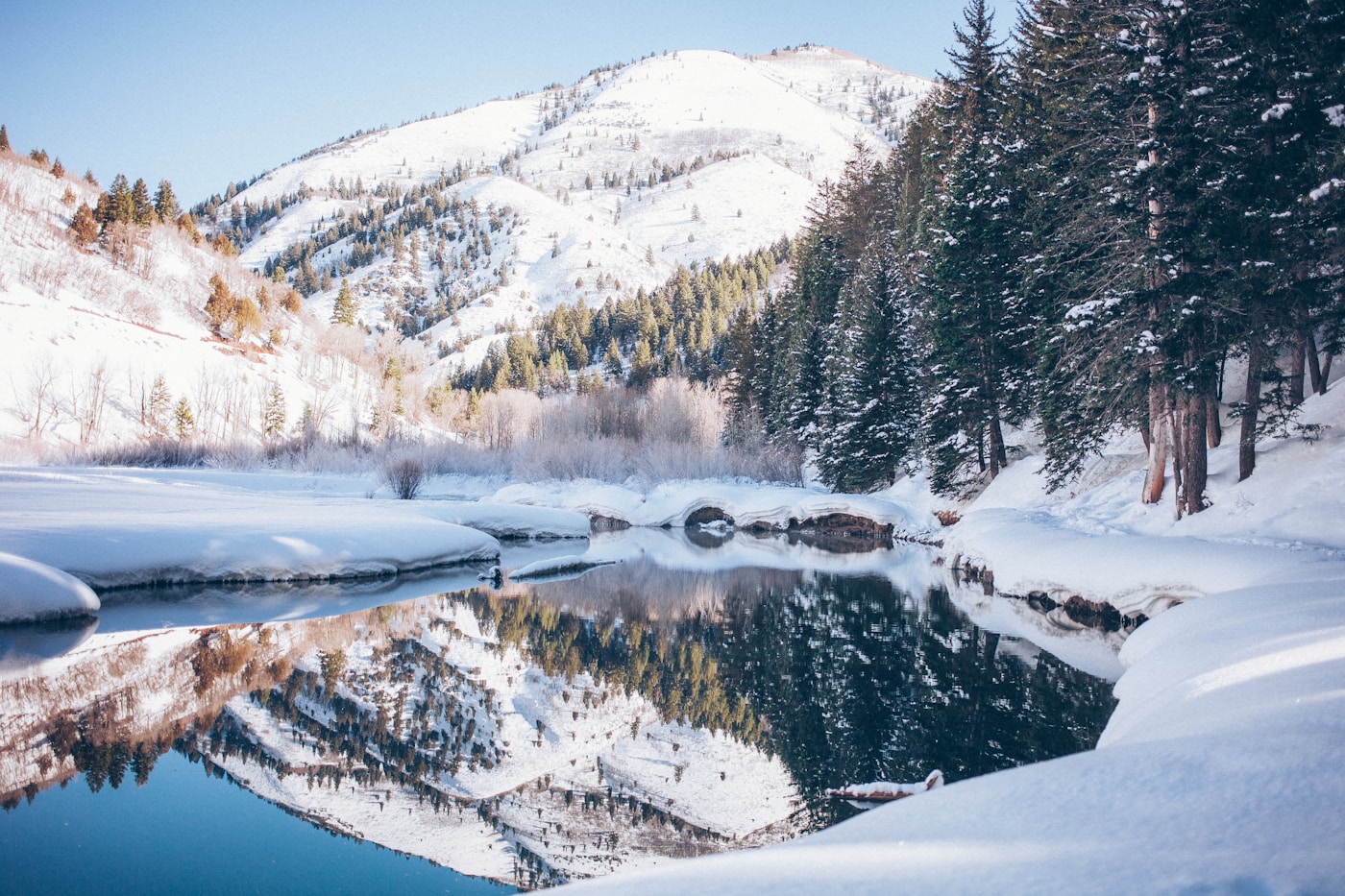
Ski Poles Buying Guide: Length, Material, and Features That Matter
How to size poles correctly, aluminum vs carbon trade-offs, grip and strap design, and what to spend at each level.
Backcountry Binding Standards Explained: MNC, Pin, and Frame
Backcountry bindings are not interchangeable. The type determines boot compatibility, release behavior, and whether you're protected by a recognized safety standard.
What Ski Weight Numbers Actually Tell You
Published ski weights are unreliable by 50–200g. Per-ski vs per-pair, stated vs measured, and the swing weight nobody publishes.

How to Compare Ski Boot Flex Ratings Across Brands
A flex 120 from Salomon is not a flex 120 from Tecnica. There is no industry standard, and every brand uses their own test protocol.
Understanding Ski Construction: Sidewall vs Cap
How the edge construction method affects performance, durability, and price — and what it means for your next purchase.
Why Verified Ski Specs Matter
Manufacturer spec sheets are marketing documents, not engineering reports. Here's why independent verification changes how you should think about gear.
Spring Skiing: How to Make the Most of Late Season
Corn snow, wet slides, and afternoon slop — spring skiing is a different mountain. The freeze-thaw cycle, timing the window, and gear adjustments that make late season worth chasing.
Rocker vs Camber vs Flat: Ski Profile Guide
Ski profile determines edge hold, powder float, and turn initiation. What camber, rocker, and hybrid profiles actually do — and which one matches the terrain you ski.
How to Store Your Skis for the Off-Season
Base oxidation, edge rust, and binding degradation are all preventable. The 30-minute storage process that protects your skis until next season.
Ski Jacket Buying Guide: Waterproofing, Breathability, and Fit
Waterproof ratings in mm, MVTR vs RET breathability metrics, GORE-TEX vs proprietary membranes, seam sealing grades — what the numbers mean and what you actually need.
Best Budget Ski Gear That Does Not Compromise on Safety
Where to spend, where to save, and which safety certifications actually matter. ASTM F2040 helmets from $70, binding DIN requirements, and the priority order for building a first kit.
How to Choose the Right Ski Length
Rocker profile, waist width, and ability all affect the right length more than a height chart does. What all-mountain, powder, and carving skis need from their length.
Ski Edge Tuning: Angles, Tools, and When to Go to a Shop
Base bevel and side bevel explained — what each angle does, which setups suit which terrain, how to file and deburr at home, and when only a stone grinder fixes the problem.

Utah vs Colorado: Comparing Snow Quality and Resort Access
Utah averages 7–9% snow density vs Colorado's 9–13%. Alta gets 547 inches per season; Vail gets 354. The data behind both states' skiing reputations — and the access trade-offs.
Ski Glove and Mitten Buying Guide
Mittens are warmer, gloves give dexterity. What GORE-TEX vs Hipora means in practice, PrimaLoft vs Thinsulate insulation, leather vs synthetic shells, and cuff design trade-offs.
Avalanche Safety Gear: Beacon, Probe, and Shovel Essentials
Survival rate is 90% within 15 minutes and drops sharply after that. What 457 kHz means, 3-antenna vs 2-antenna beacons, probe length and material, and why plastic shovel blades are inadequate.
Ski Helmet Safety Standards: MIPS, SPIN, and WaveCel Explained
What MIPS, SPIN, and WaveCel actually do mechanically — and what ASTM F2040 and CE EN 1077 certifications test (and don't test) for rotational force.
How to Measure Your Ski Boot Size Correctly
Mondo sizing, the shell fit check, last width, and volume — the four dimensions of ski boot fit that street shoe sizing completely ignores.
Mid-Layer Guide: Fleece vs Down vs Synthetic Insulation
Polartec 100/200/300 fleece weights, down fill power and its wet-performance problem, and where PrimaLoft and Thinsulate actually outperform down.
Skiing in Japan: What Western Skiers Need to Know
Niseko, Furano, and Hakuba — why Japow is real, the gate system rules that will get your pass pulled, and the logistics that first-time visitors get wrong.
DIN Settings Explained: What Your Binding Release Numbers Mean
ISO 11088 calculates DIN from five inputs: weight, height, boot sole length, skier type, and age. Here's what the number on your binding actually means.
Top 5 Colorado Resorts for Intermediate Skiers
A terrain-focused breakdown of five Colorado resorts with the acreage, lift infrastructure, and blue run quality that intermediate skiers actually care about.
Understanding Ski Turn Radius and What It Means for You
Sidecut radius is the spec with the most direct impact on how a ski behaves underfoot — short vs medium vs long radius, and how rocker profile changes the real-world number.
Base Layer Buying Guide: Merino Wool vs Synthetic
Merino and synthetic base layers aren't interchangeable. The choice affects odour, dry time, durability, and price in ways that depend on how and where you ski.
Beginner's Guide to Ski Resort Trail Maps
How to read a trail map before you get off the lift: difficulty ratings, terrain symbols, the North American vs European colour system, and how to plan a ski day without getting cliffed out.
How to Wax Your Skis at Home
Hot waxing your own skis takes 45 minutes and costs less than one shop visit. The tools you need, the correct process, and when rub-on wax is actually good enough.